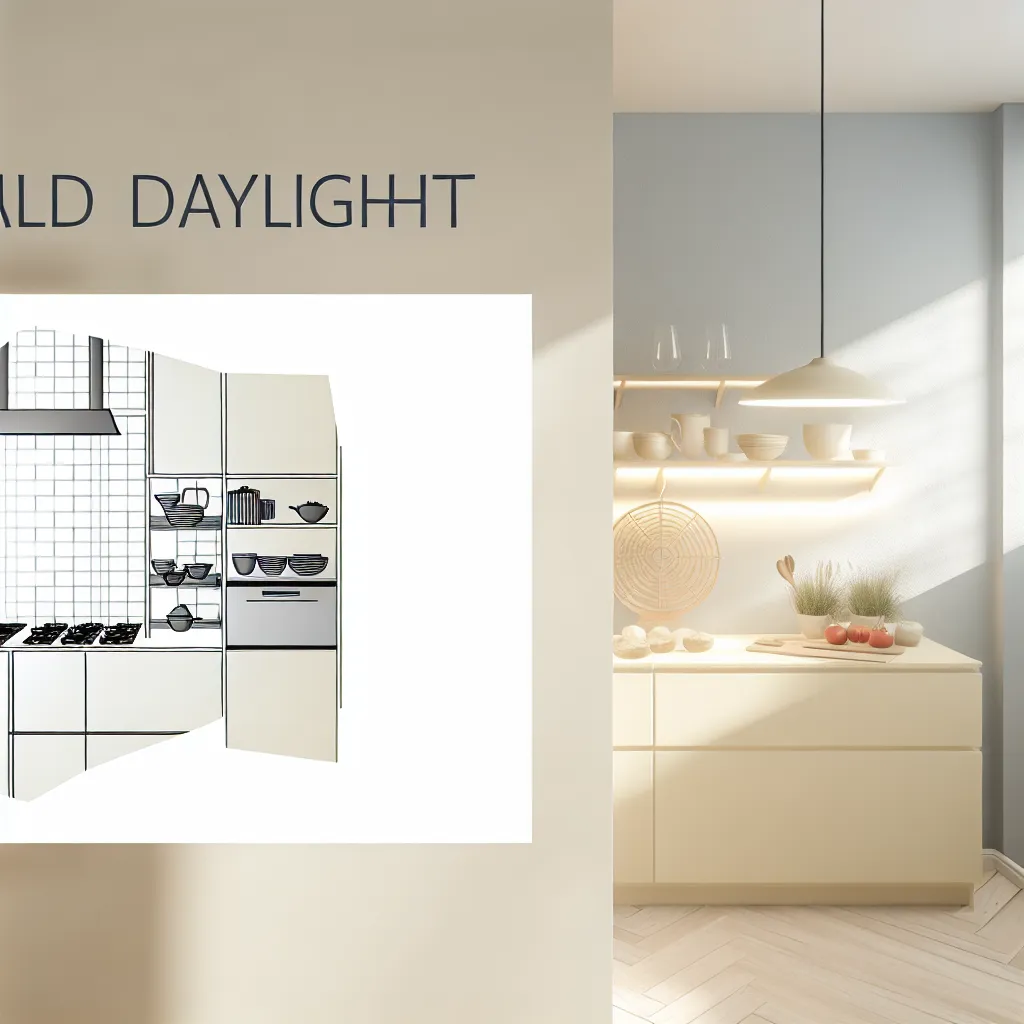
In Scandinavian countries, where daylight is precious, especially during winter months, making the most of natural light isn't just aesthetic—it's essential for wellbeing. Your baking kitchen should be a place where light flows freely, energizing your morning bread routine and illuminating your afternoon pastry work.
Here are five practical ways to optimize natural light in your baking space, inspired by generations of Nordic home design.
1. Keep Window Areas Clear
The first rule of Nordic light optimization is simple: don't block your windows. This might seem obvious, but many kitchens accumulate items on windowsills—plants, decorations, dish soap bottles—that obstruct precious light.
Instead, keep windowsills minimal. If you must have items there, choose low-profile options like a single succulent or a small wooden tray for essentials. The more clear glass you have, the more light enters your space.
2. Use Reflective Surfaces Strategically
Scandinavian kitchens often feature pale, reflective surfaces that bounce light throughout the room. Consider these elements:
- Light-colored countertops (white marble, pale wood, or cream quartz)
- Glass container storage that catches and reflects light
- Stainless steel or copper utensils displayed on walls
- White or cream-colored cabinets
These surfaces don't just look beautiful—they actively multiply the light in your space.
3. Position Your Main Baking Station Near Windows
If possible, arrange your primary work area—where you knead dough, roll pastries, and assemble ingredients—near your best light source. Natural light makes it easier to judge dough texture, see true colors of ingredients, and work comfortably without eye strain.
This might mean rethinking your kitchen layout slightly. Even moving a cutting board station or setting up a small table near a window can transform your baking experience.
4. Choose Light, Sheer Window Treatments
Heavy curtains are rarely found in Scandinavian kitchens. Instead, opt for:
- Simple linen or cotton panels in cream or white
- Sheer curtains that filter light gently
- No treatments at all, if privacy allows
- Wooden shutters that can fully open during the day
The goal is to have the option of privacy without permanently dimming your space.
5. Paint Ceilings and Upper Walls in Pale Tones
Dark paint absorbs light, while pale tones reflect it downward and throughout your space. Nordic homes traditionally feature white or cream ceilings that bounce natural light from windows down into work areas.
If you're considering a kitchen refresh, keeping upper portions of walls and all ceilings in light, neutral tones will significantly increase the brightness of your space, even on cloudy days.
The Difference Light Makes
When you optimize natural light in your baking kitchen, you're not just making practical improvements—you're creating a space that feels alive, welcoming, and connected to the rhythms of the day and seasons.
Morning baking becomes a meditation as golden sunrise light streams across your workspace. Afternoon projects feel energizing rather than tiring. And even winter baking sessions feel less dark when you've maximized every photon of available daylight.
This is the Nordic approach: working with nature, not against it, to create spaces that support both craft and spirit.